Why is my water heater leaking in Dallas?
Learn about the common causes of water heater leaks in Dallas, how to fix them, and when to call a professional.
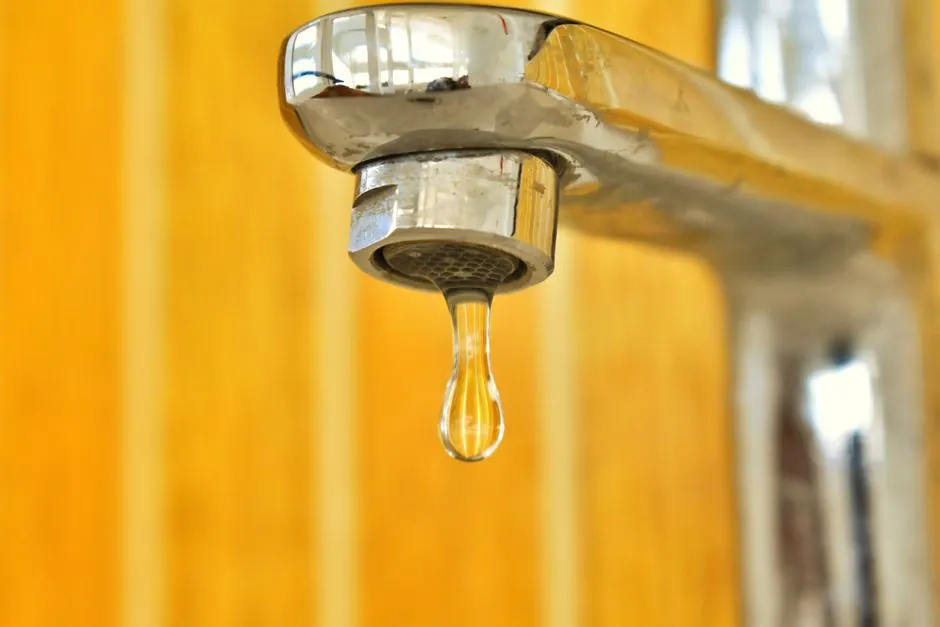
A leaking water heater in Dallas can stem from several issues, and identifying the cause is crucial to preventing further damage. Common causes include faulty valves, corrosion, and improper installation, which can lead to significant water damage if not addressed promptly.
Water heater leaks are a common issue that homeowners face, especially in areas with fluctuating temperatures like Dallas. This post will explore the primary reasons your water heater might be leaking and provide actionable steps to fix the problem.
Common causes of water heater leaks in Dallas
Understanding the water heater leak causes in Dallas is essential for effective troubleshooting. Here are some typical reasons:
- Corroded tank: Over time, water heaters can develop rust and corrosion, especially if they are older than 10 years. This corrosion can cause leaks.
- Loose connections: The inlet and outlet pipes can become loose over time, leading to leaks at the joints.
- Faulty temperature and pressure relief valve: This valve is designed to release excess pressure. If it fails, it can leak water.
- Drain valve issues: A drain valve that is not tightly closed can lead to water dripping from the heater.
- Temperature fluctuations: In Dallas, temperature changes can affect the water heater's materials, causing expansion and contraction that may lead to leaks.
How to fix a leaking water heater in Dallas?
To fix a water heater leak in Dallas, follow these steps:
- Identify the source: Determine where the leak is coming from. Check the tank, valves, and connections.
- Turn off the power: If you have an electric heater, turn off the power at the circuit breaker. For gas heaters, turn the gas valve to the off position.
- Drain the tank: If the leak is severe, you may need to drain the tank. Attach a hose to the drain valve and direct the water to a suitable location.
- Replace damaged parts: If you find corroded or damaged components, replace them. This may include the pressure relief valve or drain valve.
- Call a professional: If you're unsure about the repairs or if the leak persists, it's wise to contact Dallas Water Damage Restoration Experts for assistance.
What to watch out for with water heater leaks?
When dealing with water heater leaks, be vigilant about the following:
- Water damage: A leak can lead to significant water damage in your home, affecting floors, walls, and even electrical systems.
- Increased water bills: If your water heater is leaking, you may notice a spike in your water bill due to the wasted water.
- Mold growth: Standing water can lead to mold growth, which can pose health risks and require costly remediation.
When to call a professional?
If you find it challenging to diagnose or fix the leak, contacting a professional is advisable. Dallas Water Damage Experts can provide thorough inspections and repairs. They are familiar with the common water damage restoration Dallas issues and can help mitigate further problems.
Frequently Asked Questions
What should I do if my water heater is leaking in Dallas? First, turn off the power and water supply to the heater. Then, identify the source of the leak. If it's severe, drain the tank and call a professional.
How can I prevent water heater leaks in Dallas? Regular maintenance, including flushing the tank annually and checking connections, can help prevent leaks. Also, consider replacing units older than 10 years to avoid issues.
Can I fix a water heater leak myself? Minor leaks can sometimes be fixed by tightening connections or replacing valves. However, if you're unsure, it's best to consult a professional.
What are common water heater issues in Dallas TX? Common issues include leaks, inconsistent heating, and strange noises. Regular maintenance can help identify these problems early.
How much does it cost to repair a leaking water heater in Dallas? Repair costs can range from $150 to $500, depending on the issue and parts needed. Replacement may be more expensive, typically ranging from $800 to $2,500.